




Are you sure you want to perform this action?
Pay in 3 interest-free installments with Alma
Free delivery and returns in store
PPMC at your service!
02 97 59 14 23 Search


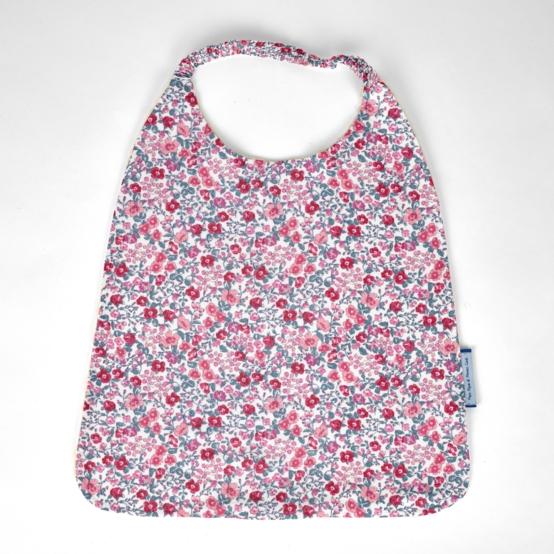
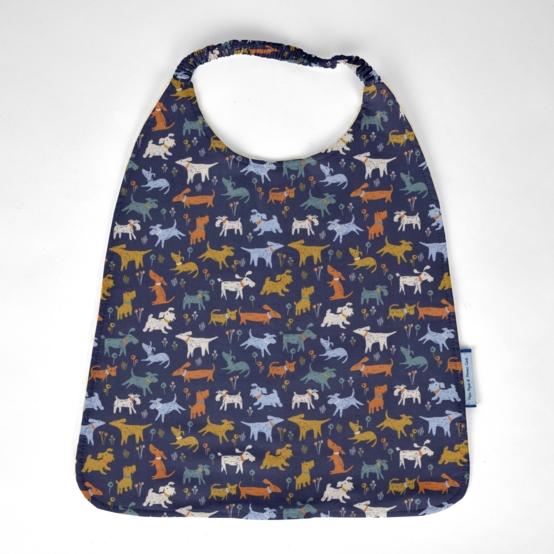
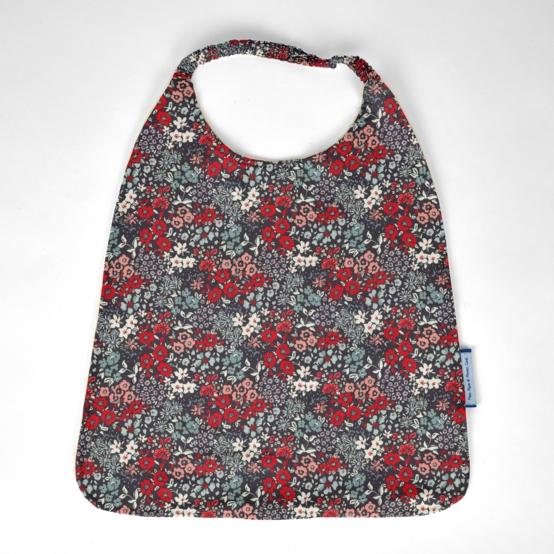
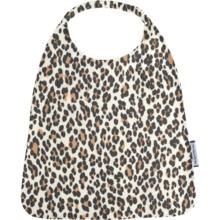
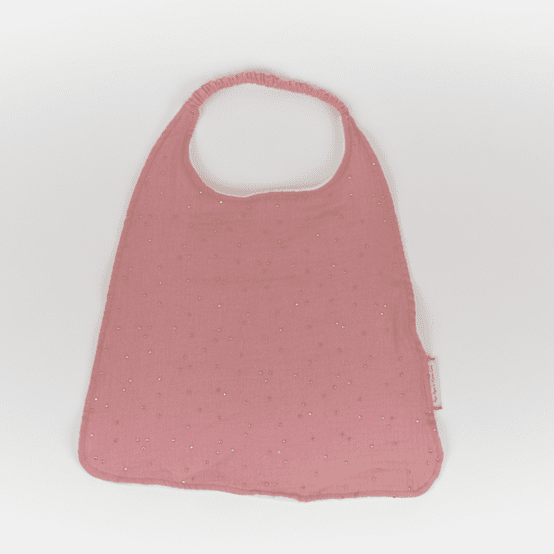
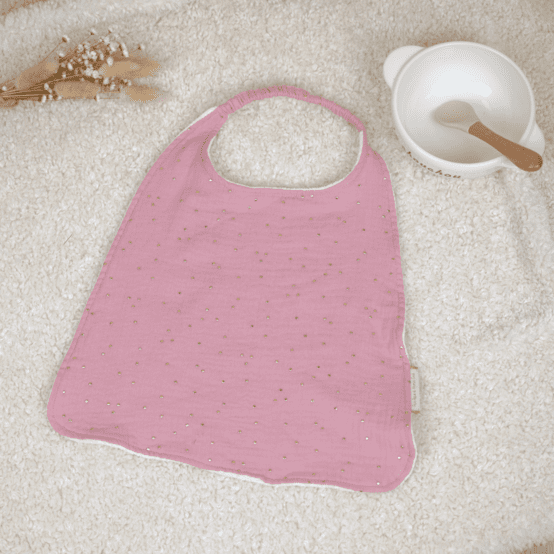
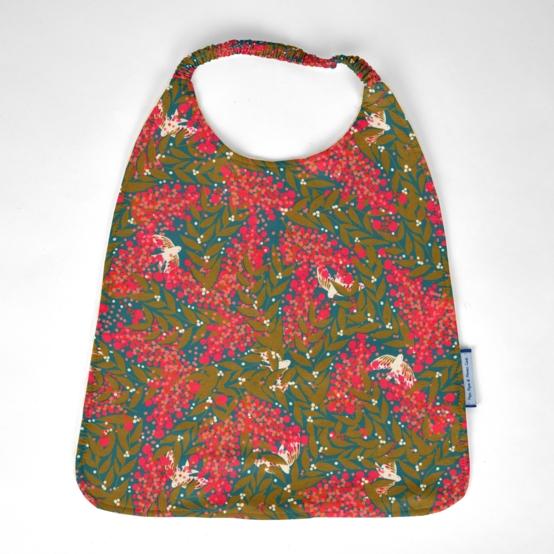
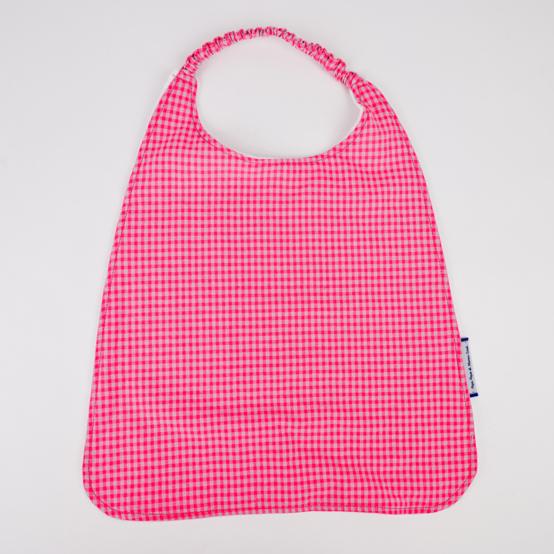
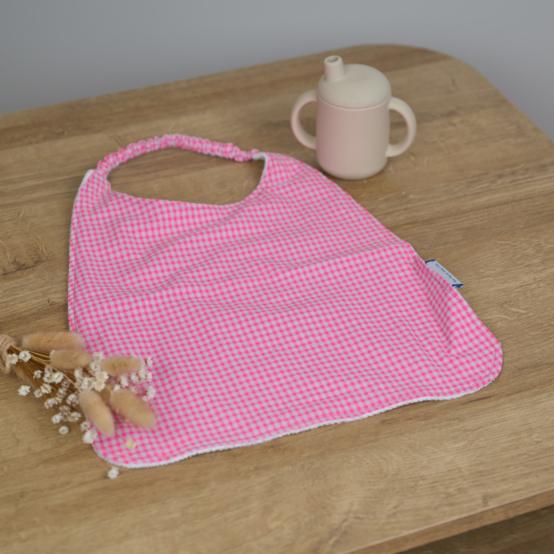
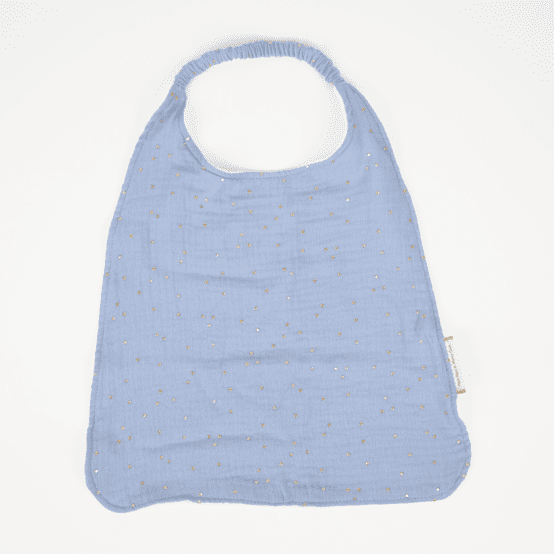
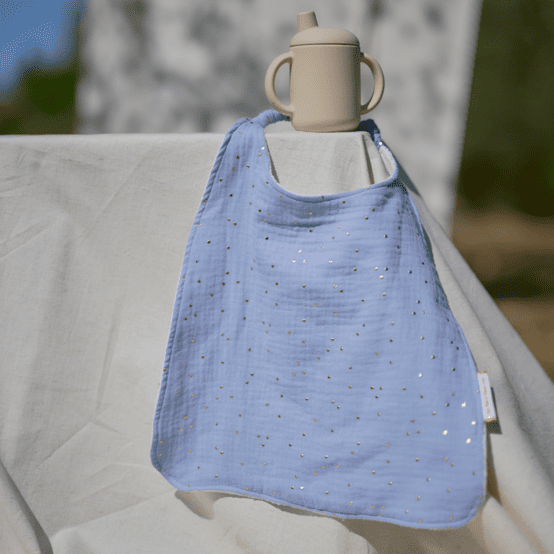
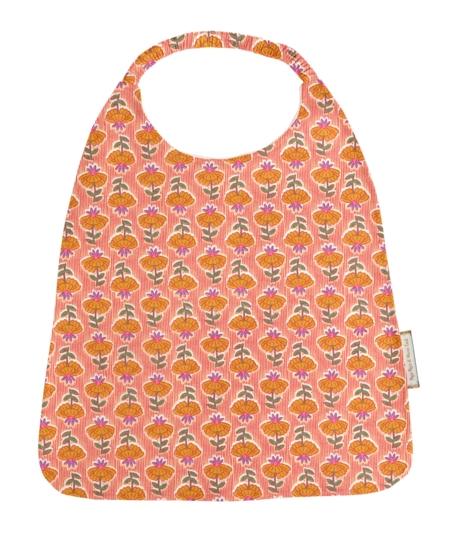
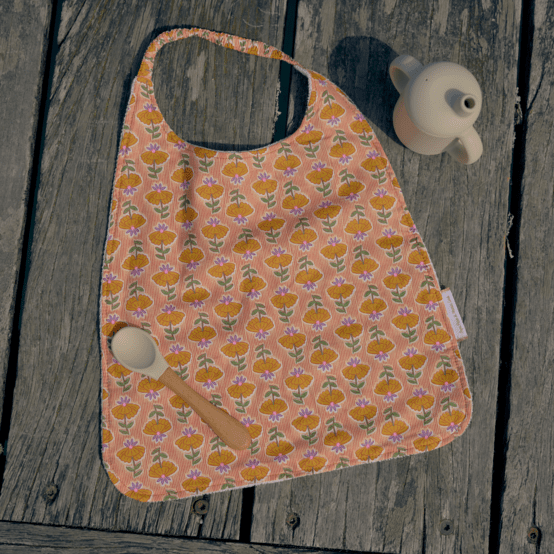
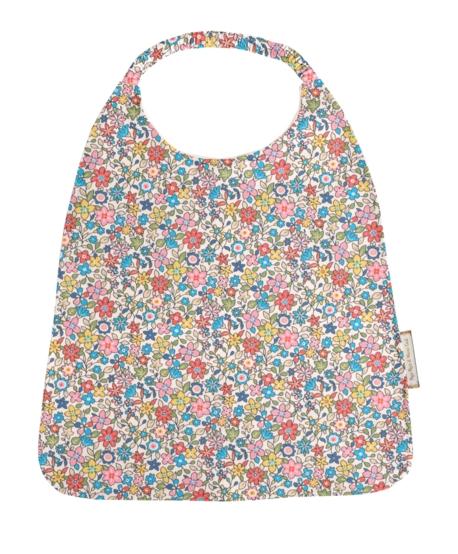
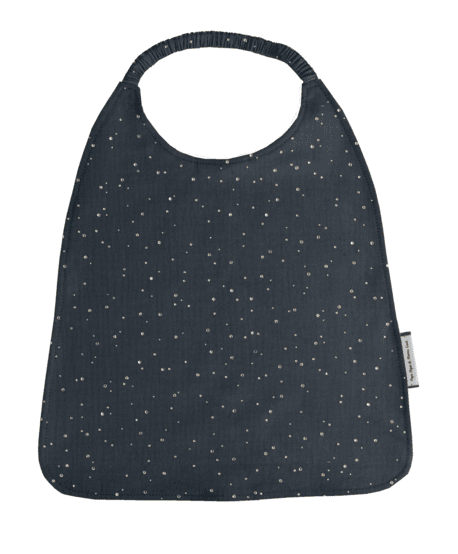
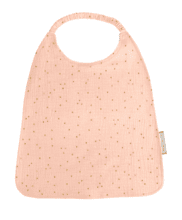
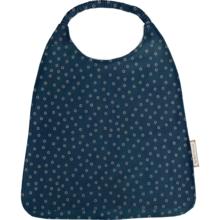
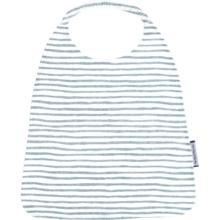
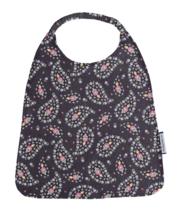
Elastic children's towel
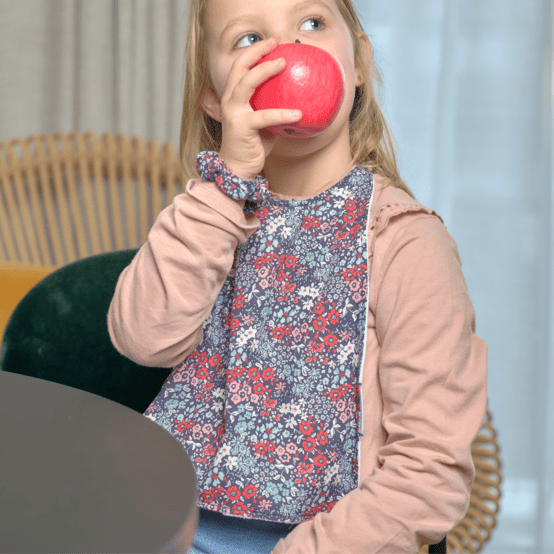
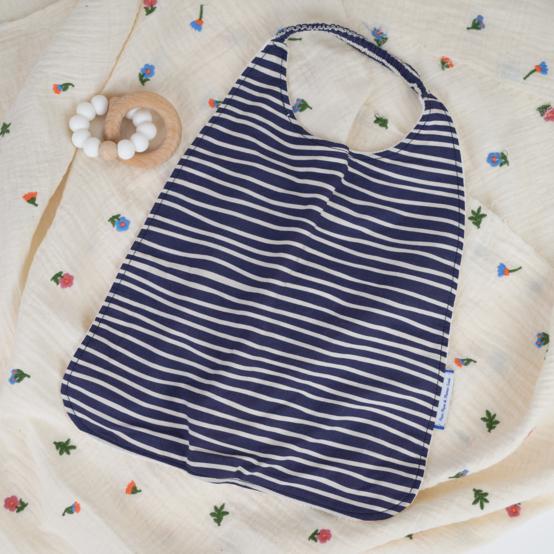
Elastic bib for kids
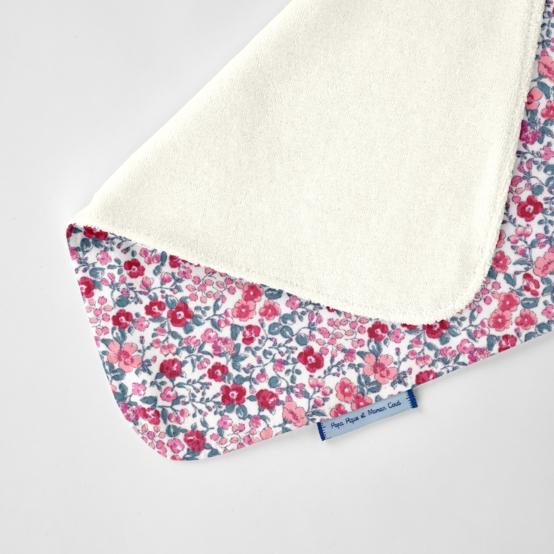
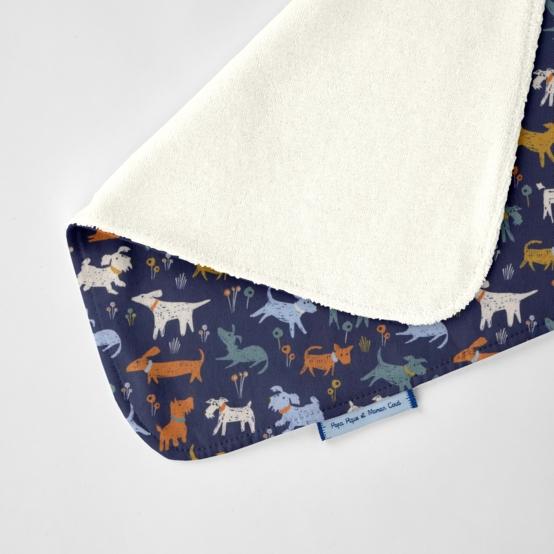
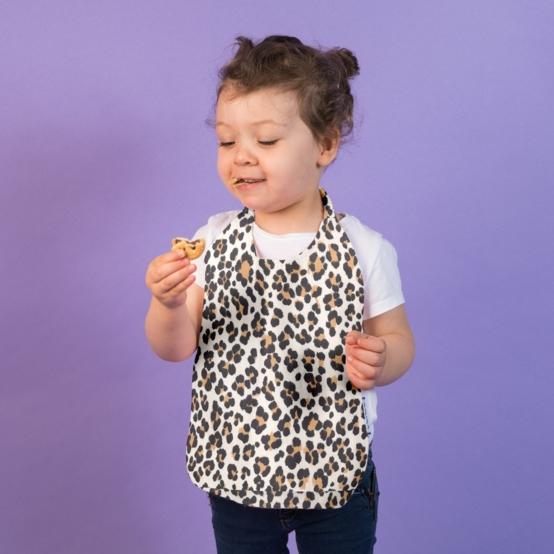
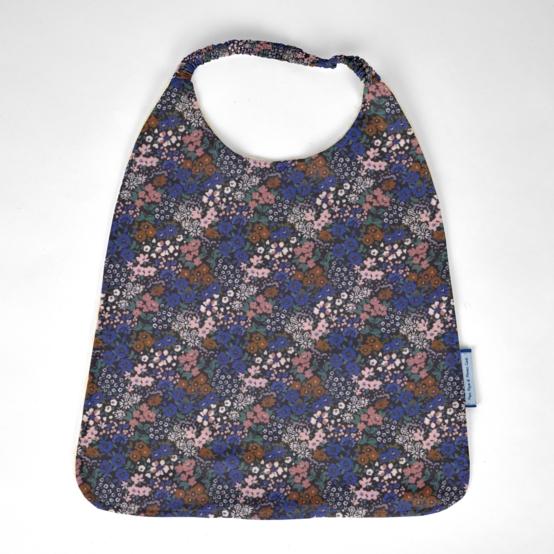
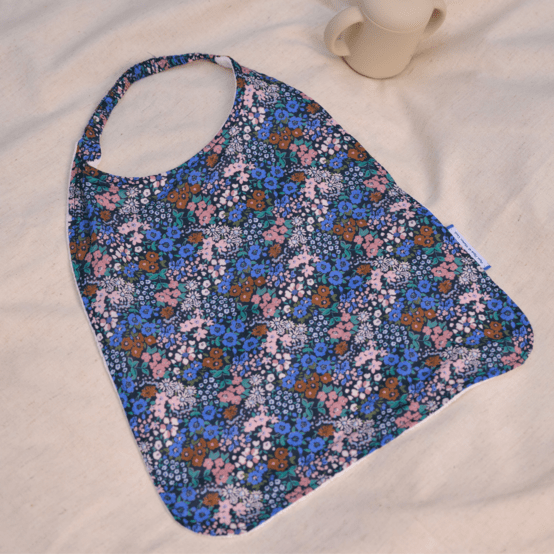
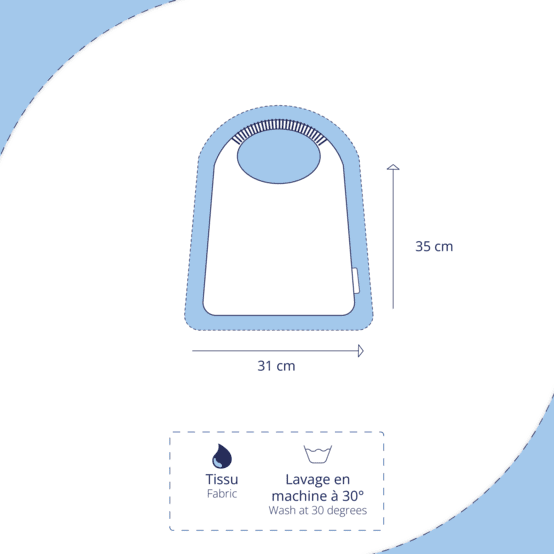
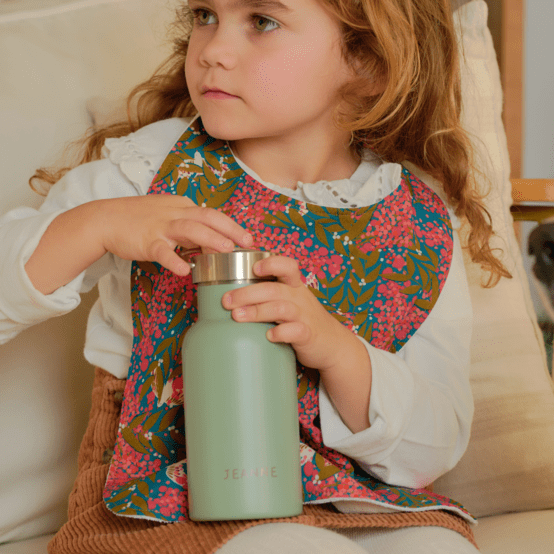
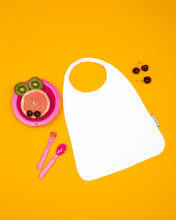
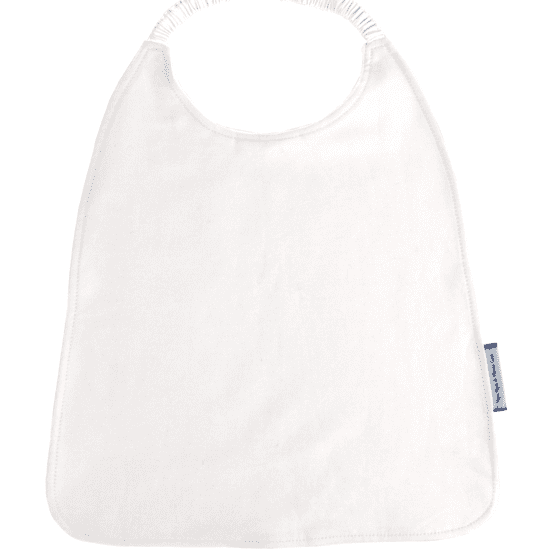
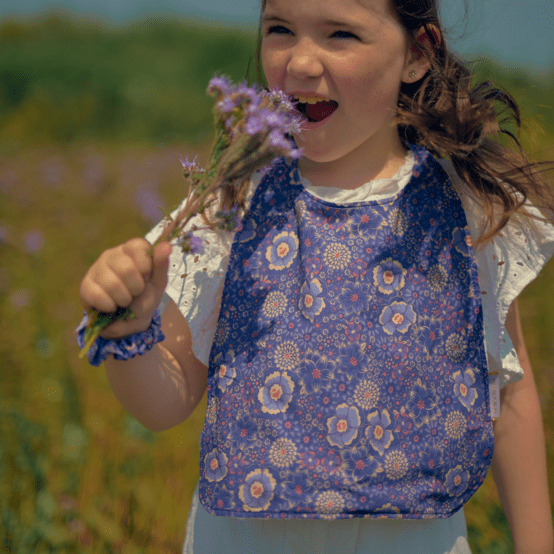
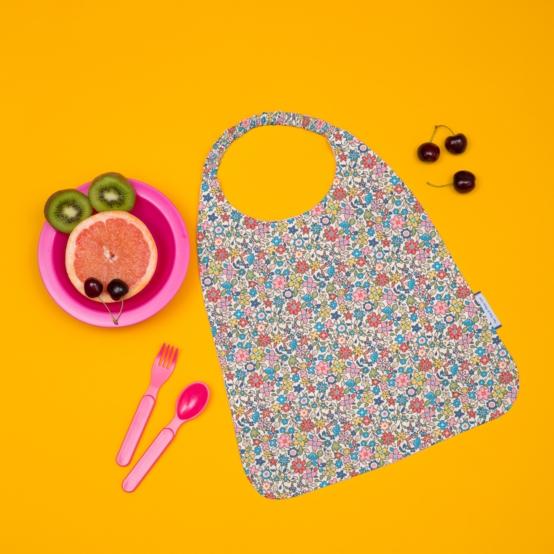
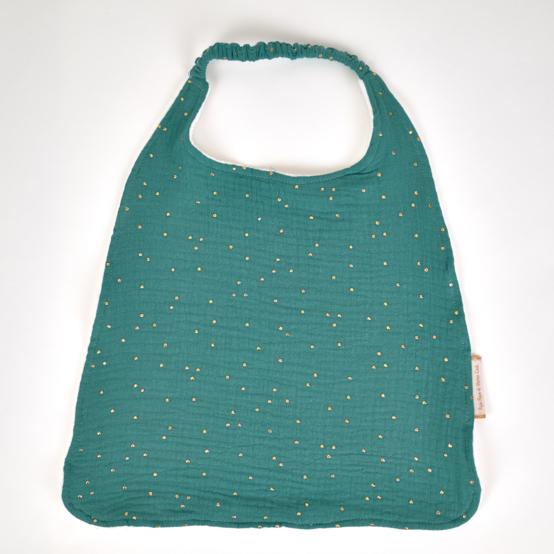
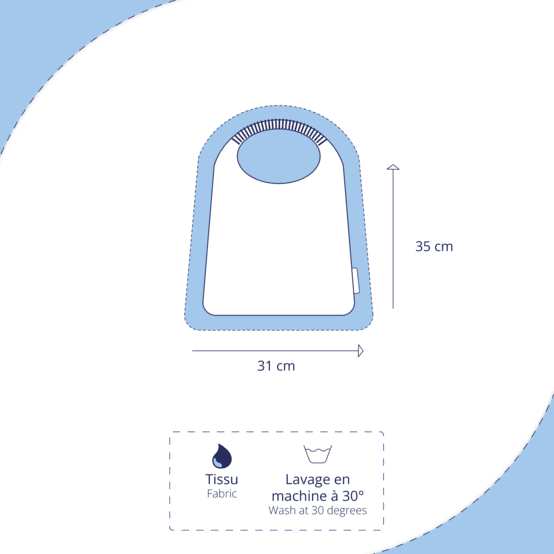
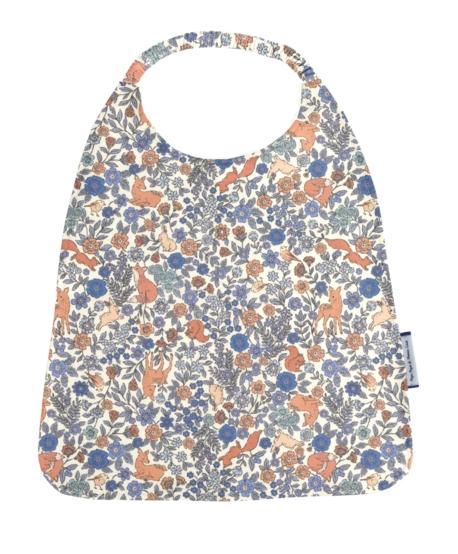
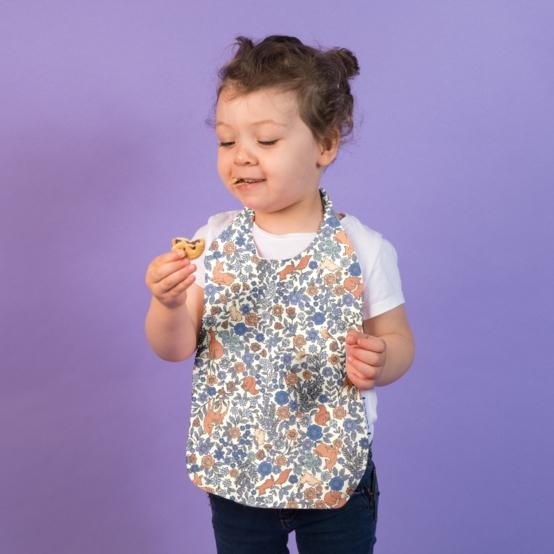
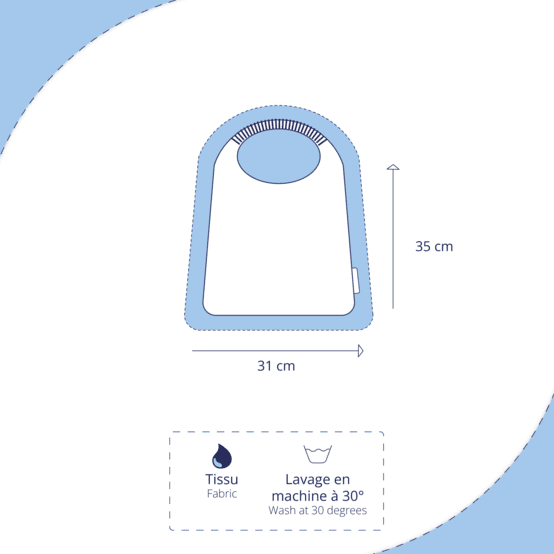
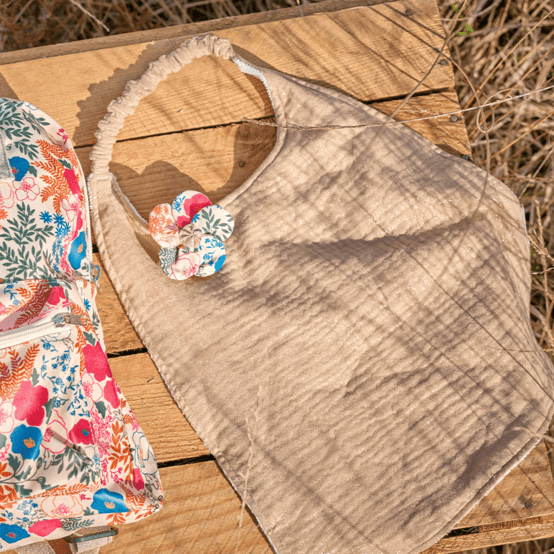
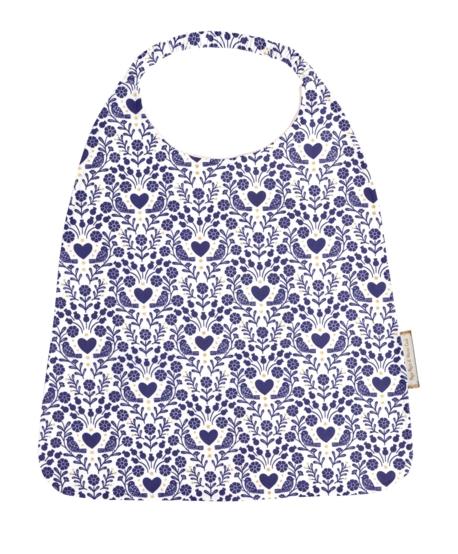
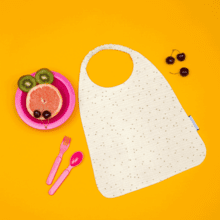
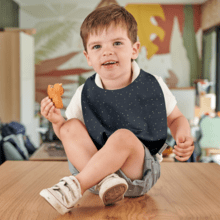
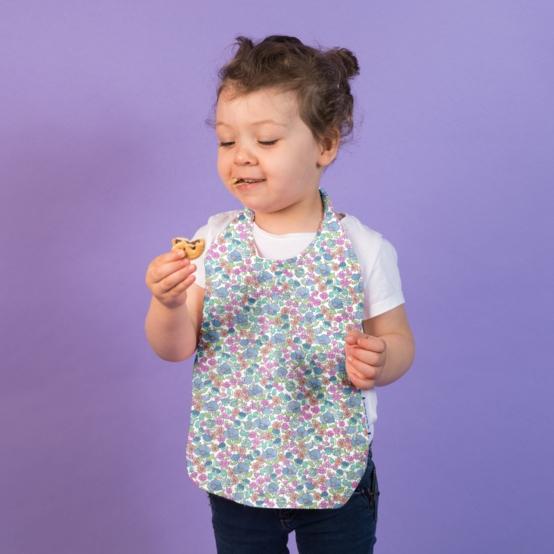
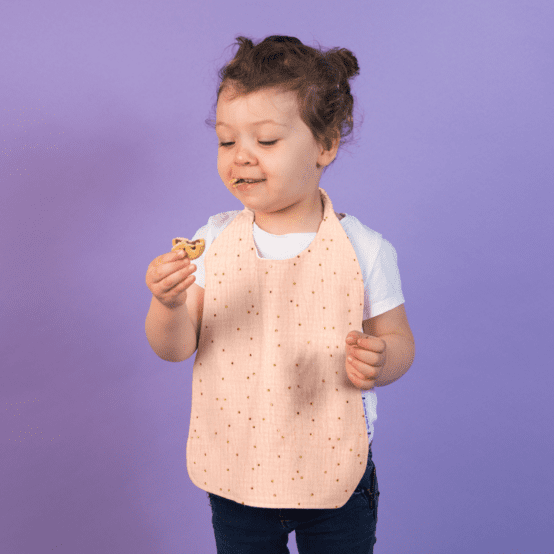
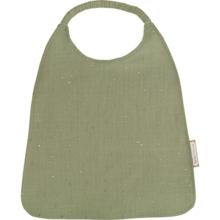
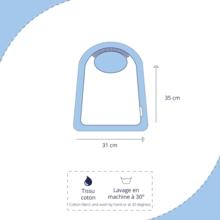
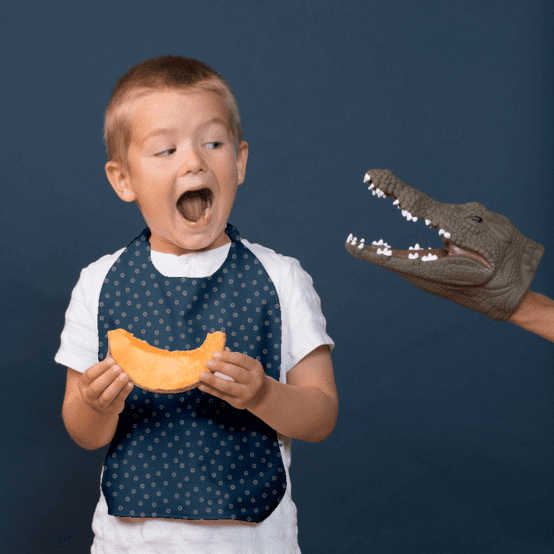
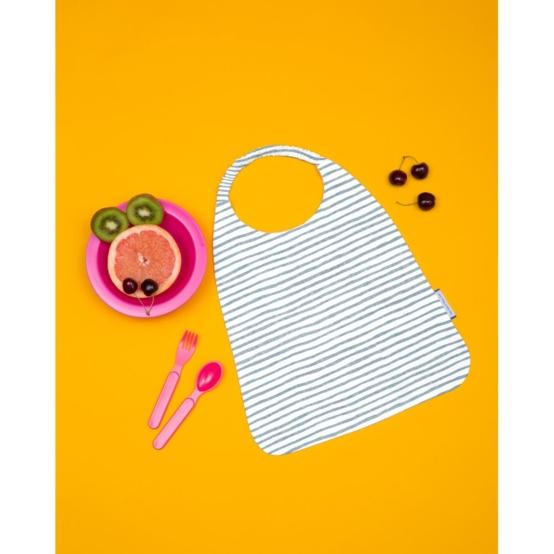
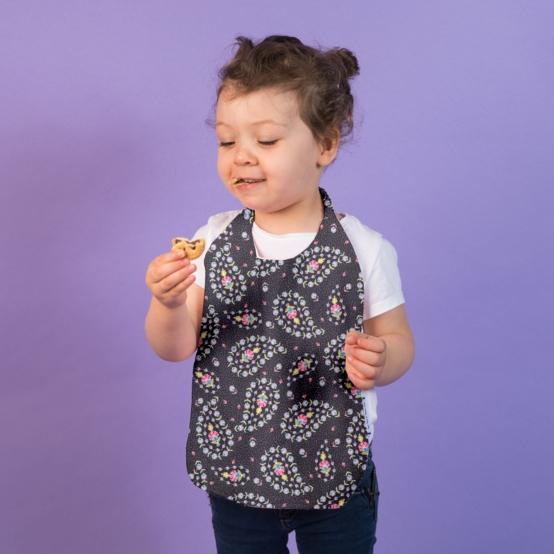
No more stains at the table with our elastic children's napkin! Easy to put on by itself, it fits snugly around the neck thanks to its comfortable elasticated waistband. Made from soft, absorbent fabric, it's ideal for meals at home, at the canteen or at the nanny's. Practical, pretty and machine-washable, this towel accompanies little gourmands on a daily basis, while encouraging their independence.
No more stains at the table with our elastic children's napkin! Easy to put on by itself, it fits snugly around the neck thanks to its comfortable elasticated waistband. Made from soft, absorbent fabric, it's ideal for meals at home, at the canteen or at the nanny's. Practical, pretty and machine-washable, this towel accompanies little gourmands on a daily basis, while encouraging their independence.
We help you choose

Also fall for
What elasticated bib should you choose for a child in nursery school?
Choosing an elasticated bib for nursery school children depends on several key factors: the child’s age, their level of independence, and the desired level of protection. At nursery school, children begin learning to do things on their own, especially during mealtimes. It is therefore important to choose a bib that is easy to put on and comfortable to wear.An elasticated bib is particularly well suited to this age group because it does not require buttons or complicated fastenings. Children can slip it over their head by themselves thanks to the elastic, encouraging independence. This is often recommended by nursery teachers, who support children in becoming more самостоятель in their daily routines.
For younger children or as a complement, some parents also prefer a bandana bib, which is lighter and better suited to early learning stages, especially outside of school meals.
Size is also important. A bib that is wider at the bottom provides better protection against spills, particularly during school lunches. Children move a lot and are still developing coordination, so good coverage is essential.
Fabric also plays a key role. A cotton bib with a terry lining is ideal for absorbing liquids and preventing clothes from getting wet. It should be soft on the skin, durable for frequent washing, and easy for parents to care for.
At what age should you use an elasticated bib for children?
An elasticated bib for children is generally suitable from around 2 to 3 years old, when children start developing independence. Before this age, toddlers usually use traditional bibs with fastenings, which are better suited to their motor skills.Around age 3, children start nursery school and learn to carry out everyday tasks on their own, such as getting dressed, tidying their belongings, and eating independently. The elasticated bib becomes an ideal accessory to support this transition.
For messier meals or creative activities, it can be useful to pair it with a waterproof long-sleeve apron, which provides full protection for clothing, especially during painting or cooking activities.
One of the main advantages of an elasticated bib is its ease of use. Unlike Velcro or button bibs, it requires no complex handling. Children can put it on by themselves, boosting their confidence.
It also offers better coverage than a traditional bib, which is particularly useful at this age when coordination is still developing. It protects clothing more effectively during meals at school or at home.
Why use an elasticated bib at school or daycare?
An elasticated bib for school or daycare has become an essential item for children in nursery and primary school. It meets the needs of children, parents, and caregivers alike.At school, children are expected to be as independent as possible. Adults cannot assist each child individually when putting on a bib. The elasticated bib allows for quick and easy use without assistance.
For children who need extra protection, especially with messy meals, some parents also choose a waterproof bib, which is more resistant and easier to clean.
It also supports independence, a key learning objective in early education. Allowing children to put on their own bib helps build confidence and autonomy.
From a practical perspective, the elasticated bib effectively protects clothing. School meals can be messy, and good protection helps parents avoid stained clothes at the end of the day.
What is the difference between a bib and an elasticated bib?
The difference between a traditional bib and an elasticated children’s bib mainly lies in the child’s age and level of independence.A standard bib is typically designed for babies and younger children. It fastens with snaps, Velcro, or ties and often requires adult assistance. It is intended for children who cannot yet dress themselves.
For younger children, a bandana baby bib is a popular option: lighter, comfortable, and stylish, it is ideal for early feeding stages while still protecting clothing.
An elasticated bib, on the other hand, is designed for older children, usually from age 3. It slips over the head thanks to an elastic band, with no complicated fastenings, allowing the child to be independent.
In terms of coverage, elasticated bibs are generally larger than traditional bibs. They offer better protection, especially on the lower part of the body, which is important for active mealtimes in nursery school.
How do you care for a cotton elasticated bib?
Caring for a cotton elasticated bib is simple, but following a few best practices helps extend its lifespan and maintain its effectiveness.Most cotton bibs are machine washable at 30°C to 40°C. This temperature is sufficient to remove everyday stains while preserving fabric quality and colours. For tougher stains, a pre-wash or gentle stain remover can be used.
For particularly messy meals, some parents alternate with a waterproof bib, which is easier to clean daily and requires less frequent washing.
Air drying is recommended to preserve the elasticity and fabric quality. Tumble drying can be used occasionally at a low temperature to avoid damaging the elastic.
Finally, since this is a daily-use item, it is helpful to have several bibs to rotate between washes, ensuring that a clean one is always available.